


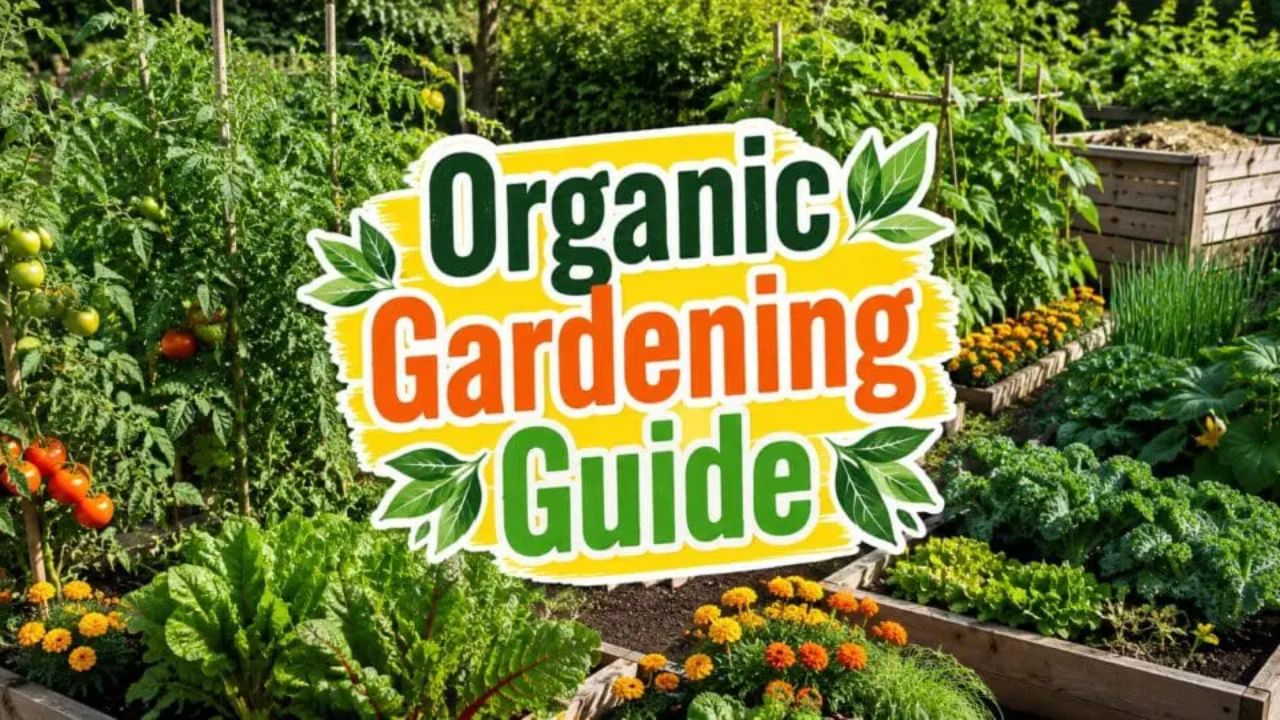
Companion planting is one of the oldest techniques in food gardening. By strategically placing certain plants near each other, you can reduce pest pressure, improve pollination, make more efficient use of garden space, and even enhance the flavor of your harvest. The relationships between plants are complex, and while not every claimed pairing has strong scientific backing, many have centuries of practical use behind them.
The Three Sisters
The most famous companion planting combination is the Three Sisters, developed by Indigenous farmers across North America long before European contact. Corn, beans, and squash are planted together in a way that benefits all three. Corn provides a vertical pole for beans to climb. Beans fix nitrogen from the air into the soil, feeding the heavy-feeding corn. Squash spreads along the ground, shading the soil to suppress weeds and retain moisture, while its rough leaves deter pests.
This kind of polyculture planting is a core strategy in organic gardening, where building natural synergies between plants replaces the need for synthetic inputs. When you mimic the complexity of a natural ecosystem, your garden becomes more resilient and self-regulating.
Tomatoes and Basil
The pairing of tomatoes and basil is popular, and many growers swear basil planted beneath tomatoes repels aphids and whiteflies while improving fruit flavor. The evidence for flavor enhancement is largely anecdotal, but the aromatics from basil do appear to confuse certain pests that locate host plants by scent. Regardless of mechanism, the two crops share similar water and sunlight needs and make efficient use of vertical and horizontal garden space.
Keep basil within about eighteen inches of tomato plants for maximum effect. Pinch basil flowers regularly to keep the plant producing aromatic foliage throughout the season rather than going to seed.
Carrots and Onions
Carrots and onions are often planted together as a natural pest deterrent pair. Carrot fly and onion fly are both serious pests in temperate gardens. The theory is that the strong scent of onion masks carrots from carrot fly, while carrot scent confuses onion fly. Whether or not the mechanism is fully understood, alternating rows of these two crops is a simple intervention that costs nothing extra and uses space efficiently.
What to Avoid
Just as some plants support each other, others compete or actively harm neighboring crops. Fennel is broadly allelopathic, meaning it releases chemicals that inhibit the growth of many common vegetables including tomatoes, peppers, and beans. It is best grown in a pot or an isolated corner of the garden rather than integrated into the main bed.
Brassicas like cabbage, broccoli, and kale are heavy feeders and compete aggressively with strawberries. Beans and onions should also be kept apart, as onions are thought to inhibit bean growth, though the effect is not dramatic in most soils.
Companion planting rewards observation. Keep notes on what combinations you try and how your plants respond. Over several seasons, you will develop an intuitive understanding of your specific garden’s relationships that no book can fully replicate.