

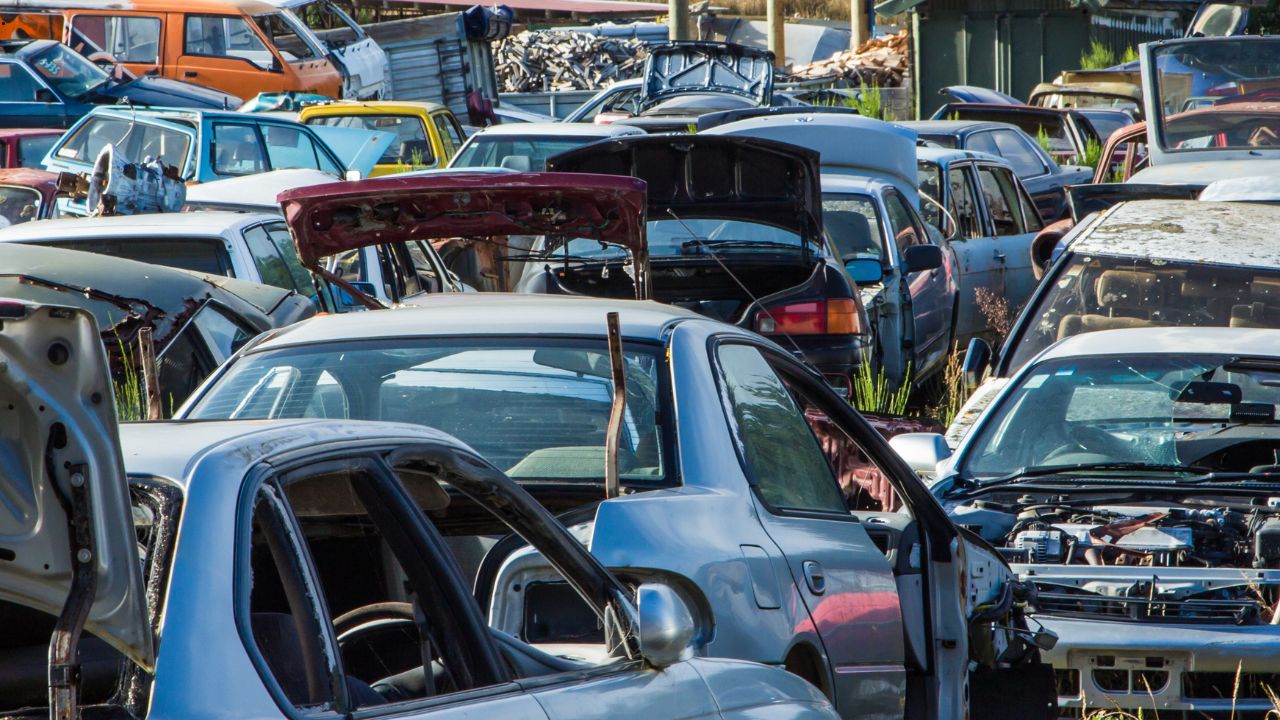
Managing urban waste and protecting Western Australia’s natural environment are important goals for local communities. Old, damaged, abandoned, and non-running vehicles can create a large amount of complex waste.
When people leave these vehicles to deteriorate or send them to general waste facilities, they can take up valuable space. They may also contain fluids and materials that require careful handling.
Working with an experienced Car Wrecker Perth team such as WA AUTO PARTS offers a more responsible option. Professional auto dismantling can recover useful metals, parts, glass, plastics, and other materials from end-of-life vehicles.
This process keeps many vehicle components in use and reduces the amount of automotive waste that needs final disposal.
1. Diverting Scrap Metal From Landfills
Cars contain large amounts of steel and other metals. The chassis, body panels, engine blocks, suspension parts, and other components can contain ferrous and non-ferrous materials such as aluminum and copper.
When a vehicle arrives at WA AUTO PARTS, dismantlers first remove usable parts and materials. They then prepare the remaining metal shell for recycling.
This approach provides two main benefits:
- Less landfill waste: Crushing vehicle shells greatly reduces their physical volume and allows the metal to enter recycling streams.
- Resource conservation: Recycled metal can return to manufacturing instead of relying entirely on newly extracted raw materials.
Recycling also supports the broader circular economy by keeping valuable materials in productive use for longer.
2. Reducing the Risk of Fluid Contamination
End-of-life vehicles contain several fluids that require responsible handling. Oil, coolant, refrigerants, and battery chemicals should not simply enter general waste streams.
A professional dismantling process begins with depollution. Depending on the vehicle and applicable requirements, workers can remove and manage materials such as:
| Vehicle Fluid or Material | Potential Environmental Concern | Typical Management Approach |
|---|---|---|
| Engine and gearbox oil | Can contaminate soil and water | Collected for appropriate recycling or disposal |
| Radiator coolant | Can harm wildlife and the environment | Drained and managed through suitable waste channels |
| Lead-acid batteries | Contains lead and corrosive materials | Separated and sent to appropriate recycling facilities |
| Air-conditioning refrigerants | Can contribute to atmospheric harm | Recovered using suitable equipment and procedures |
Proper handling helps prevent hazardous substances from entering soil, drains, or waterways.
3. Extending the Life of Usable Spare Parts
Recycling metal is only one part of vehicle dismantling. Many written-off vehicles still contain components that can serve another vehicle.
A car may suffer major body damage while its engine, gearbox, electrical components, or interior remain usable.
WA AUTO PARTS can recover suitable components for inspection, cleaning, cataloging, and resale. Examples include:
- Alternators
- Starter motors
- Gearboxes
- Fuel pumps
- Engine assemblies
- Doors
- Bonnets
- Bumpers
- Side mirrors
- Headlights
- ECU modules
- Seats
- Dashboard components
- Factory alloy wheels
Reusing suitable parts can reduce the need to manufacture replacement components from new materials. It can also provide drivers with more affordable repair options.
4. Recycling Tyres, Glass, and Plastics
Modern vehicles contain much more than metal. Tyres, windscreen glass, plastics, rubber, and other materials also require responsible handling.
These materials can create long-term waste when they enter inappropriate disposal streams.
Depending on their condition and available recycling programs, dismantlers and recycling partners may recover materials such as:
- Scrap tyres: Can enter recycling or reuse programs for products such as rubber materials and civil applications.
- Windscreen glass: Can be processed into glass aggregate or other suitable recycled products.
- Vehicle plastics: Can be sorted and processed for potential reuse in manufacturing.
- Rubber components: Can enter appropriate recovery streams rather than general waste.
The exact recycling method depends on the material, its condition, and the facilities available.
The Circular Economy in Action
Choosing an experienced Car Wrecker Perth supports a more circular approach to vehicle disposal.
Instead of following a simple “take-make-dispose” model, auto dismantling gives usable components and materials another purpose.
A single vehicle can provide several useful resources. Working parts can help repair other vehicles. Metals can return to manufacturing. Certain plastics, glass, and rubber materials can enter recycling streams.
This approach can reduce the amount of automotive waste requiring final disposal while helping conserve resources.
Why Responsible Vehicle Disposal Matters
Old vehicles can become difficult to manage when they remain on private property for long periods. They occupy space and can deteriorate over time.
Professional dismantling provides a structured way to remove the vehicle and separate its useful materials.
For vehicle owners, responsible disposal can also offer practical benefits. They may be able to recover value from an unwanted vehicle while avoiding the effort of storing or arranging its disposal themselves.
Before handing over a vehicle, owners should confirm the provider’s collection process, required paperwork, payment terms, and recycling practices.
Dispose of Your Vehicle Responsibly With WA AUTO PARTS
If you have an old, damaged, non-running, or written-off vehicle taking up space, professional dismantling can provide a practical disposal option.
WA AUTO PARTS offers vehicle recycling and spare-part services for customers in Perth and surrounding areas.
Before arranging collection, confirm the available service, valuation, towing conditions, and any documents required for the vehicle.
For a responsible vehicle disposal option, contact WA AUTO PARTS to discuss your vehicle and available recycling services.