

Non-invasive body contouring has become one of the fastest-growing areas within the beauty and aesthetics industry. Among the technologies used, cavitation stands out not because it is new, but because it has proven to be consistent, predictable, and widely accepted by clients who want visible change without surgery.
Despite its popularity, cavitation is often misunderstood. This article looks at cavitation from a technical and professional perspective — how it works, what it can realistically achieve, and why it remains a long-term treatment option rather than a passing trend.
What Cavitation Actually Refers To in Aesthetic Treatments
In professional aesthetics, cavitation refers to the use of low-frequency ultrasound to target subcutaneous fat tissue. The term “cavitation” describes the process where ultrasonic waves create pressure changes within fat cells, leading to their gradual breakdown.
Unlike surgical fat removal, cavitation does not involve incisions, injections, or anaesthesia. The treatment relies on the body’s natural metabolic processes to eliminate disrupted fat cells over time. This is why results are progressive rather than immediate.
From a scientific standpoint, cavitation is a mechanical process, not a chemical one. This distinction is important because it explains both its safety profile and its limitations.
Cavitation Is Body Contouring, Not Weight Loss
One of the most important concepts professionals must understand is that cavitation is not designed for weight loss. It is a body contouring method intended to reshape specific areas where fat tends to be resistant to diet and exercise.
Typical treatment areas include the abdomen, flanks, thighs, hips, upper arms, and lower back. Some treatments are also tailored for men’s health concerns, such as revolutionary treatments targeting stubborn fat.
- Abdomen
- Flanks and waist
- Thighs
- Hips
- Upper arms
- Lower back
Because cavitation focuses on localised fat, client assessment is critical. The treatment is most effective for clients who are close to their ideal weight but struggle with stubborn areas.
Why Results Are Gradual by Design
Cavitation results develop over time because the body needs to process the disrupted fat cells naturally. This gradual response is often viewed as a disadvantage by inexperienced practitioners, but in reality it is one of cavitation’s strengths.
Gradual results not only appear more natural but can also complement skin tightening procedures for enhanced contouring and improved skin texture.
Professionals who explain this process clearly tend to see higher client satisfaction and better long-term outcomes.
The Importance of Frequency and Protocol Control
Not all cavitation treatments are the same. The frequency used during treatment determines how deeply ultrasonic energy penetrates and how it interacts with fat tissue.
Lower frequencies are typically associated with deeper penetration, while higher frequencies are used for more superficial areas. This is why professional-grade equipment offers adjustable settings rather than fixed output.
Understanding frequency selection is essential for:
- Treating different body areas safely
- Avoiding unnecessary tissue stress
- Delivering consistent results
- Customising treatment plans
This level of control is one of the main reasons cavitation should only be performed in professional environments.
Client Selection Plays a Bigger Role Than Equipment
While equipment quality matters, cavitation outcomes are heavily influenced by client suitability. Factors such as hydration, lifestyle, metabolism, and post-treatment compliance all affect results.
Clients who benefit most from cavitation are those who:
- Maintain a relatively stable weight
- Stay well hydrated
- Understand the need for multiple sessions
- Follow basic post-treatment guidance
This reinforces the idea that cavitation is a partnership between practitioner and client, not a one-sided procedure.
Why Cavitation Has Remained Relevant for So Long
Many aesthetic technologies experience short-lived popularity, driven by trends rather than outcomes. Cavitation is different because it addresses a consistent client concern: localised fat that does not respond easily to lifestyle changes.
Its longevity comes from:
- Non-invasive delivery
- Predictable treatment structure
- Wide client suitability
- Compatibility with other body treatments
Rather than being replaced, cavitation has become a foundational treatment that complements newer technologies.
Safety Depends on Knowledge, Not Just Technology
Cavitation is widely considered safe when performed correctly, but safety is not automatic. Proper consultation, contraindication screening, and protocol adherence are essential.
Professional practice includes:
- Assessing medical history
- Avoiding unsuitable conditions
- Using appropriate session spacing
- Monitoring client response over time
This reinforces why cavitation should be approached as a professional service rather than a casual add-on.
The Professional Context of Cavitation Today
In modern clinics and salons, cavitation is rarely positioned as a standalone solution and is often integrated with other non-surgical procedures, similar to how non-surgical rhinoplasty complements overall facial aesthetics. Instead, it is part of a broader body contouring strategy that may include lifestyle guidance, complementary treatments, and realistic goal setting.
This integrated approach reflects how the industry has matured. Clients are better informed, expectations are higher, and professionalism matters more than ever.
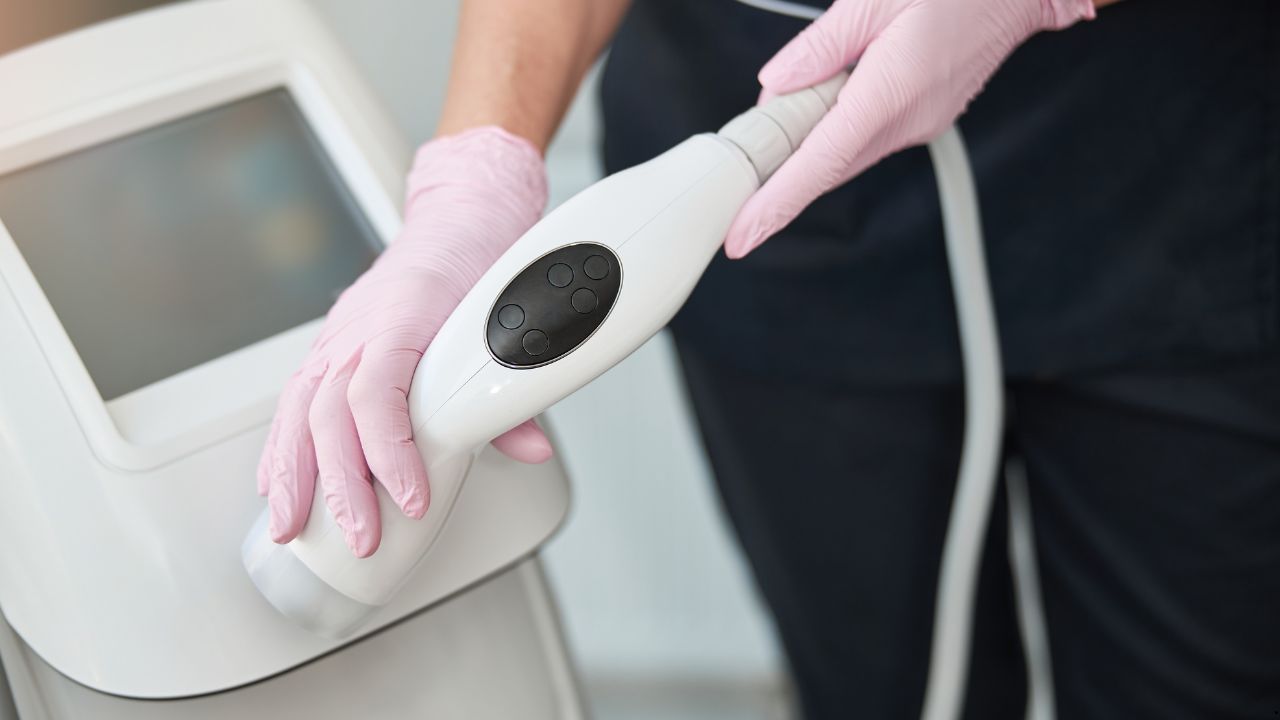
For those researching the technology in depth, understanding how a cavitation machine fits into professional body contouring helps separate realistic outcomes from exaggerated claims.
Final Perspective
Cavitation has earned its place in professional aesthetics because it delivers controlled, non-invasive body contouring when used responsibly. Its effectiveness depends less on marketing promises and more on practitioner knowledge, client selection, and realistic treatment planning.
As the industry continues to evolve, cavitation remains relevant not because it is new, but because it works within the boundaries of what non-invasive treatments can genuinely achieve.