


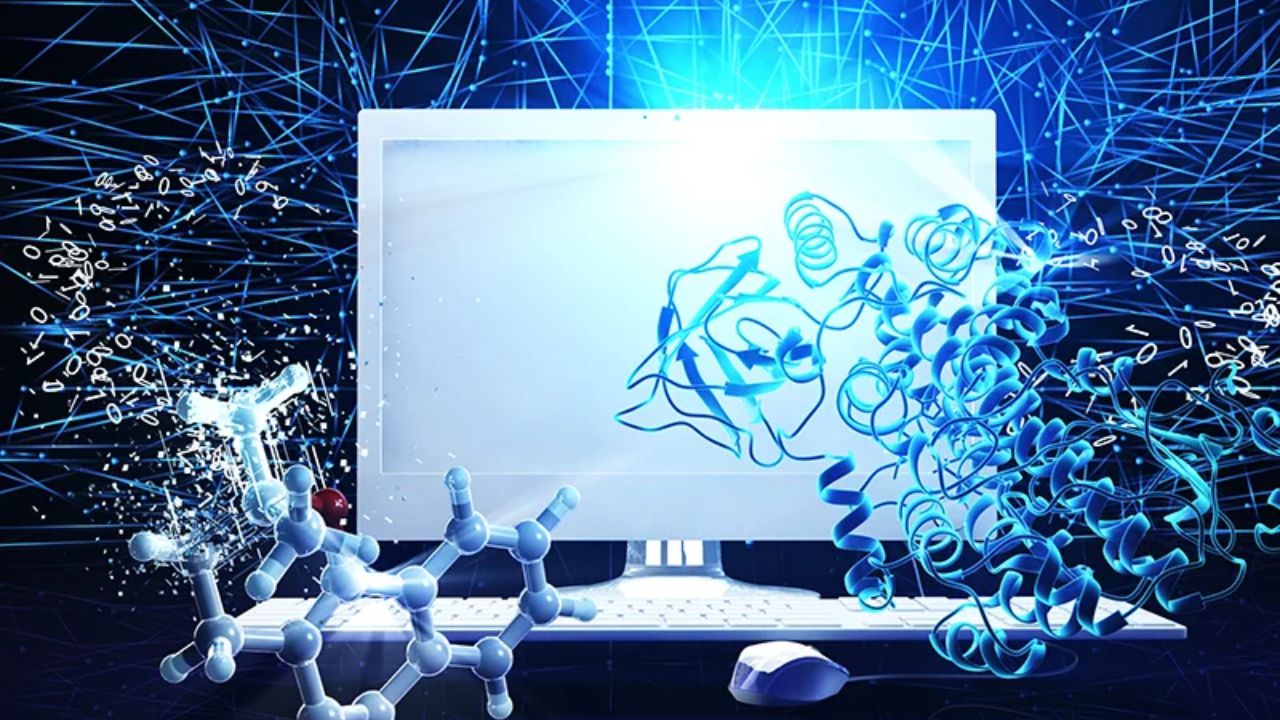
Science explores phenomena that are often invisible, abstract, or difficult to describe through words alone. From microscopic cellular processes to planetary systems, many scientific concepts require visualization to be fully understood. Science illustrations and animations play a crucial role in translating these ideas into accessible visual formats. By combining scientific accuracy with visual design, these tools help researchers, educators, and the public better understand complex information.
The Purpose of Science Illustration
Science illustration https://scientific-illustrations.com/ is a specialized field focused on creating precise visual representations of scientific subjects. Unlike general artistic illustration, its primary goal is to communicate accurate information rather than artistic interpretation. Illustrators work closely with scientists and researchers to ensure that every element of an image reflects verified knowledge.
One of the key strengths of scientific illustration is its ability to simplify complexity. A photograph may capture a specimen exactly as it appears, but it may also include unnecessary details that distract from the main point. An illustration, on the other hand, can isolate important structures, emphasize relationships between elements, and present information in a structured format.
For example, a diagram of a plant cell can highlight organelles such as the nucleus, mitochondria, and chloroplasts while eliminating visual noise. In fields like geology, illustrations can reveal the layers beneath the Earth’s surface. In astronomy, artists can depict galaxies or planetary formations that cannot be photographed directly.
These visualizations are used extensively in textbooks, scientific journals, museum exhibitions, and educational platforms. They help readers grasp complicated scientific structures and processes quickly and clearly.
The Role of Science Animations
While illustrations provide detailed static visuals, animations introduce the dimension of time. Many scientific phenomena occur through sequences of events or interactions between components. Animations allow viewers to observe these processes as they unfold.
For instance, animations can show how proteins fold, how ecosystems evolve, or how atmospheric systems influence weather patterns. By presenting step-by-step motion, animations reveal cause-and-effect relationships that may not be obvious in static diagrams.
Science animations https://scientific-illustrations.com/portfolio/animation are widely used in educational environments. Students learning physics, biology, or chemistry benefit from watching processes rather than trying to imagine them. Visualizing motion, energy transfer, or chemical reactions often leads to deeper comprehension.
Animations not only aid understanding but also complement data analysis in scientific research. Beginners can strengthen these skills by following a learning data science guide, which helps turn complex datasets into meaningful visual insights. Scientists can use animated models to demonstrate theories, simulate experiments, or present complex datasets in a more intuitive format. These visual tools help bridge communication gaps between specialists from different disciplines.
Applications Across Scientific Fields
Science illustrations and animations are used in a wide range of disciplines:
Biology and Life Sciences
Illustrations and animations reveal cellular structures, genetic processes, and biological systems that cannot be seen with the naked eye.
Physics and Chemistry
Visualizations explain atomic interactions, energy transfer, and complex physical phenomena such as wave motion or particle behavior.
Environmental and Earth Sciences
Animations illustrate climate systems, geological formations, and ecological interactions, helping audiences understand environmental changes.
Astronomy and Space Science
Artists create detailed representations of distant galaxies, planetary surfaces, and cosmic events that are difficult or impossible to photograph directly.
Education and Public Outreach
Museums, documentaries, and educational platforms use science animations and illustrations to communicate discoveries to general audiences.
Technological Developments in Scientific Visualization
Recent advances in digital technology have transformed the field of scientific visualization. Three-dimensional modeling software allows artists and scientists to create highly detailed digital representations of natural structures. These models can be rotated, dissected, and animated to reveal internal mechanisms.
Virtual reality and augmented reality technologies are also expanding the possibilities for interactive learning. Users can explore virtual environments such as molecular structures or planetary systems, gaining a deeper spatial understanding of scientific concepts.
Artificial intelligence is beginning to assist in generating visual models from large datasets, accelerating the process of transforming data into visual representations. Meanwhile, interactive platforms enable users to manipulate scientific models directly, encouraging active exploration rather than passive observation.
Collaboration Between Scientists and Visual Communicators
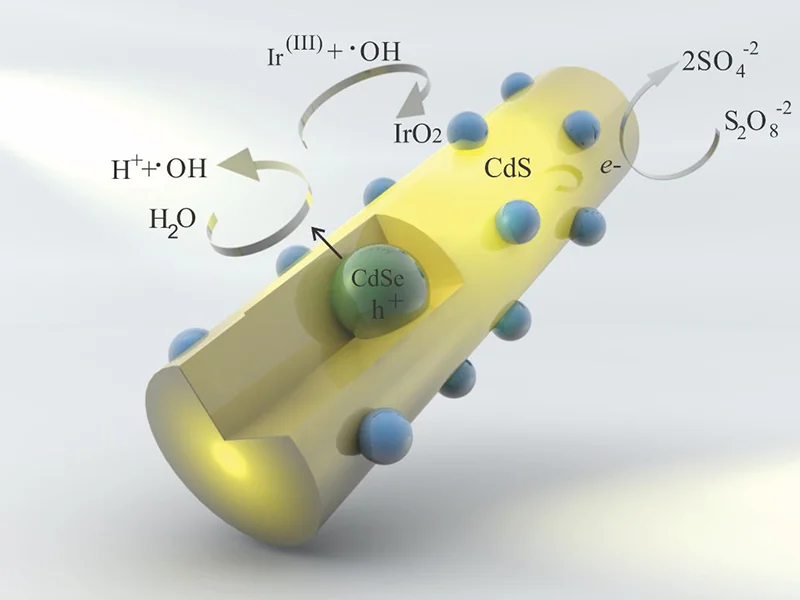
The creation of effective science illustrations and animations requires close collaboration between subject-matter experts and visual designers. Scientists provide the data, theories, and technical knowledge, while illustrators and animators translate that information into visual language.
Design principles such as color contrast, composition, and motion help guide the viewer’s attention and clarify relationships between elements. The result is visual communication that is both scientifically accurate and easy to understand.
Conclusion
Science illustrations and animations have become essential tools for communicating scientific knowledge in the modern world. They help researchers present discoveries, support educators in teaching complex subjects, and enable the public to understand scientific developments that shape everyday life.
As technology continues to evolve, the role of visualization in science will only grow. By transforming abstract data and complex theories into clear visual narratives, science illustrations and animations make knowledge more accessible, engaging, and meaningful for audiences around the globe.