


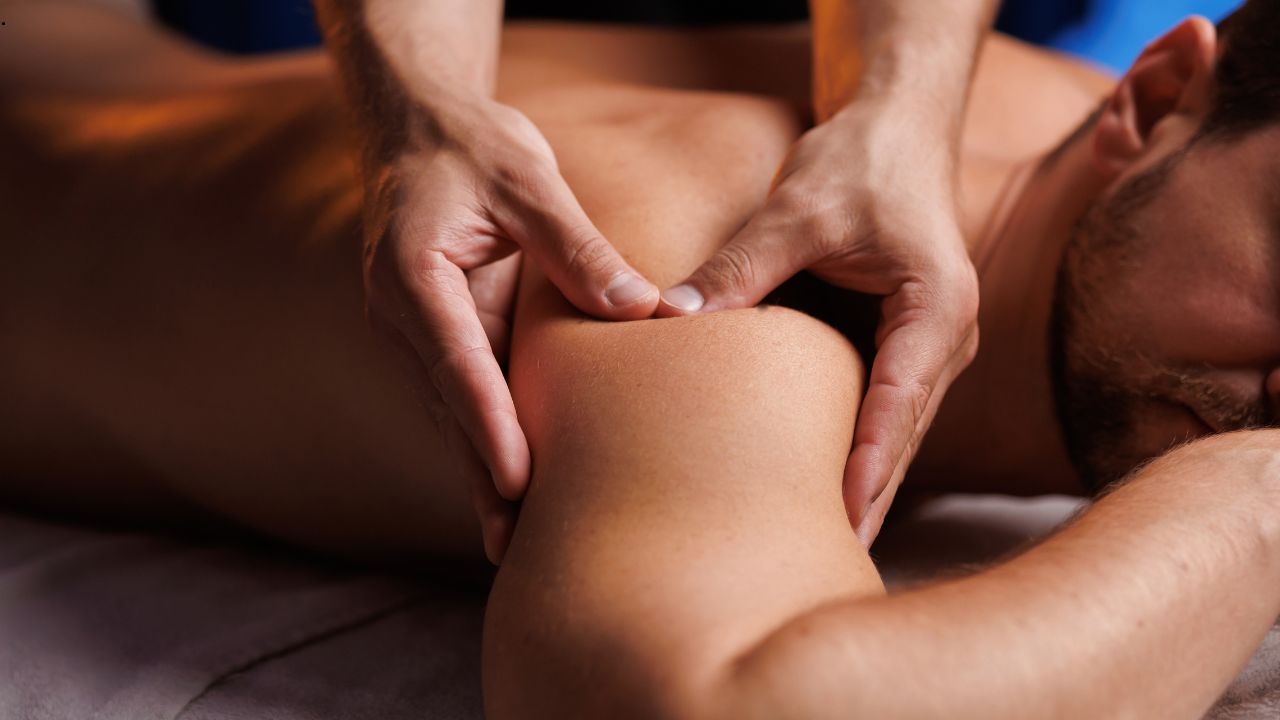
Most people only think about getting a massage when something already hurts. Maybe your back has been bothering you for weeks. Maybe you can’t turn your neck without wincing. So you finally book an appointment — and you feel amazing after. But then life gets busy, and you forget about it until something hurts again.
That cycle doesn’t have to be your story. In fact, regular massage therapy offers benefits that go far beyond pain relief. Once you understand what it actually does for your body and mind, you may start looking at it differently.
It’s Not Just About Relaxation
Yes, massages help you relax. But that’s just the beginning. When a skilled therapist works on your muscles, a lot happens beneath the surface. Blood flow increases to the areas being worked on. Tension in the muscle fibers starts to release. Your nervous system shifts from a stressed state into a calmer one.
As a result, your body starts to heal itself more efficiently. Inflammation goes down. Oxygen and nutrients reach the tissues more easily. So even if you walk in just feeling “tight,” you’re likely walking out with more going on than you realize.
That’s why people who get regular jaco massage sessions often report better sleep, fewer headaches, and more energy throughout the week. It’s not magic. It’s simply what happens when your body gets the recovery time it needs.
The Stress Connection
We all carry stress. However, most of us don’t realize how much of that stress ends up living in our bodies. Your shoulders creep up toward your ears. Your jaw tightens. Your lower back stiffens. These aren’t just random aches. They’re physical signs that your nervous system has been in overdrive.
Massage directly addresses this. It triggers the release of serotonin and dopamine, which are the chemicals your brain uses to feel good. At the same time, cortisol — the main stress hormone — drops. So after a session, you’re not just physically looser. You’re genuinely in a better mood.
For people dealing with anxiety or ongoing stress, this effect can be significant. In fact, research has shown that consistent massage therapy can reduce anxiety symptoms over time. It works as a complement to other self-care habits, not a replacement.
Different Types for Different Needs
Not all massages are the same, and that’s a good thing. Different techniques serve different purposes, so it helps to know what’s available before you book.
- Swedish massage uses long, smooth strokes. It’s great for general relaxation and stress relief, especially if you’re new to massage.
- Deep tissue massage targets the deeper layers of muscle. It works well for chronic tension and stiffness, but it can feel intense during the session.
- Sports massage is designed for people who are physically active. It helps with recovery, prevents injury, and improves flexibility.
- Trigger point therapy focuses on specific tight spots that refer pain to other areas. For example, a knot in your shoulder might actually be causing your headache.
Knowing what you need helps you get the most out of every session. A good therapist will also ask about your goals and adjust accordingly.
What About Recovery After Exercise?
If you work out regularly, massage should honestly be part of your routine. When you exercise, you create tiny tears in your muscle fibers. That’s normal — it’s how muscles grow stronger. But your body still needs to repair those fibers, and that process takes time.
Massage speeds up recovery by increasing circulation and reducing the buildup of lactic acid. Because of this, you’re less sore after tough workouts. Moreover, your muscles stay more flexible, which lowers your risk of injury during training.
Many athletes schedule a jaco massage session the day after an intense workout for exactly this reason. Even if you’re not an athlete, the same logic applies. A walk, a yoga class, a long day on your feet — your body still benefits from that kind of care afterward.
How Often Should You Go?
This is one of the most common questions, and the honest answer is: it depends on what you’re dealing with. For general wellness and stress management, once or twice a month is a good starting point. For chronic pain or injury recovery, you may benefit from going weekly, at least in the beginning.
Furthermore, consistency matters more than frequency. One session every six months won’t give you the same results as regular appointments. Your body responds best when it gets ongoing attention. Think of it like exercise or healthy eating — the results build over time.
If you’re not sure where to start, talk to a therapist. They can assess what’s going on and suggest a schedule that makes sense for your situation.
Small Habits That Make a Difference
While massage is powerful on its own, it works even better when paired with a few simple habits.
- Drink water after your session to help flush out what was released from the muscles.
- Stretch gently in the days between appointments to keep things moving.
- Pay attention to your posture, especially if you sit at a desk all day.
- Get enough sleep, since that’s when most of your body’s repair happens anyway.
These don’t have to be complicated. But together, they help you hold onto the benefits of massage for longer.
Take Care of Your Body Before It Forces You To
There’s a real difference between treating problems and preventing them. Most people wait until they’re in pain to seek help. But your body is constantly giving you signals — tightness here, fatigue there, a dull ache that comes and goes. Those are early signs that something needs attention.
A regular jaco massage is one of the simplest and most effective ways to respond to those signals before they become bigger issues. It doesn’t require a lot of time or dramatic changes to your lifestyle. It just requires showing up consistently and letting a professional do what they’re trained to do.
Your body works hard for you every single day. Taking care of it isn’t a luxury. It’s just good sense.