


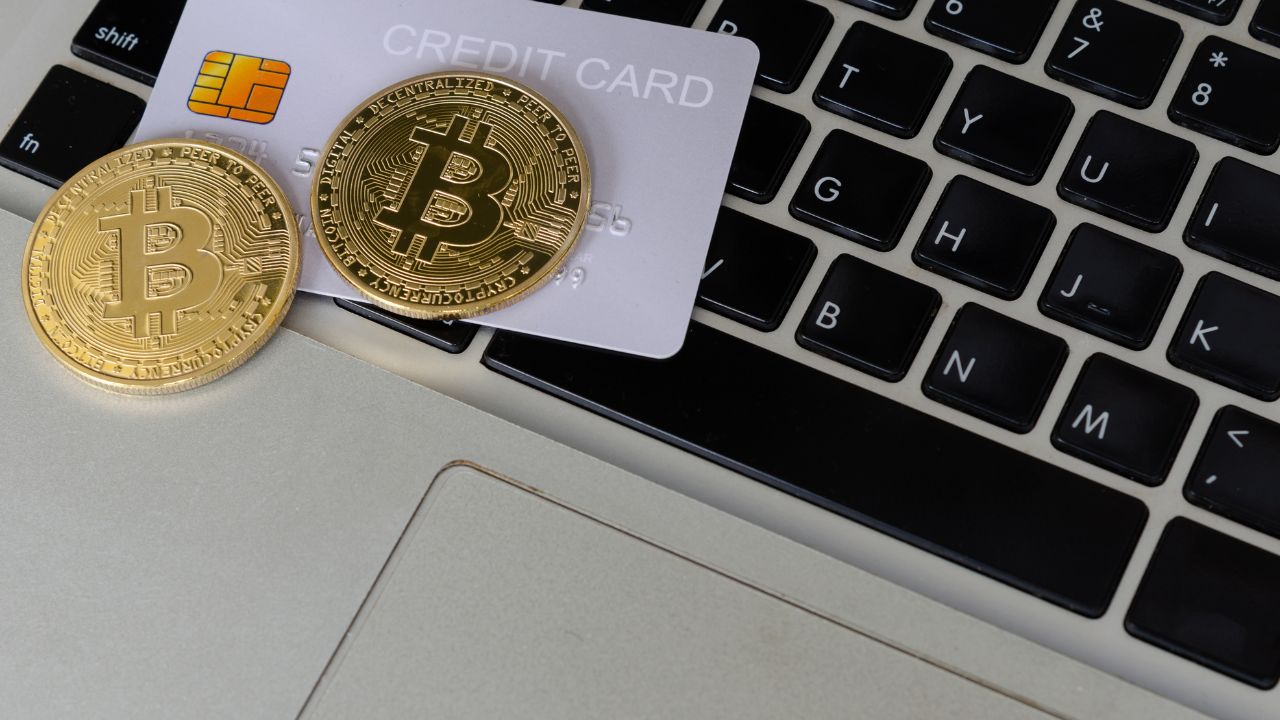
If you hold some crypto and keep hearing that you can now “spend it like cash”, a crypto card is the product being described. It is one of the easiest on-ramps from digital assets into everyday life, but the space is noisy and uneven. A beginner-friendly resource such as nomadcrypto.cards is a sensible place to get oriented before signing up for anything.
Start with the basic mechanic. A crypto card links to your crypto holdings or to a stablecoin balance. When you pay, the provider instantly converts the amount you spend into your local currency and settles the transaction over the normal card network. The shop sees an ordinary card payment; you simply spent crypto in the background.
There are two broad types. Custodial cards hold a converted balance for you, which is simple to use but means trusting the provider with your funds. Non-custodial cards spend directly from your own wallet, giving you more control at the cost of a slightly more technical setup. Neither is automatically better; it depends on how hands-on you want to be.
For a first card, three things matter more than flashy rewards. First, availability: confirm the card actually works for residents of your country, since rules vary and change. Second, fees: look at the conversion spread charged when crypto becomes fiat, plus any foreign-exchange or ATM fees. Third, the issuer: most cards are issued by a licensed e-money institution, and that institution defines your consumer protections.
A common beginner mistake is chasing the biggest advertised cashback. Those numbers frequently depend on staking a native token or hitting monthly spend targets, and the real rate for a normal user is much lower. Work out what you would actually earn on your spending, not the best-case headline.
Another early lesson is tax. In many countries, spending crypto counts as a disposal that may trigger capital-gains reporting. It is worth keeping a simple log of transactions from day one rather than reconstructing it later.
None of this should be discouraging. Crypto cards are genuinely useful once matched to your habits, and getting started is straightforward. The key is to choose deliberately: compare a few options on availability, fees, and issuer stability, pick the one that fits how you spend, and treat the rewards as a bonus rather than the deciding factor. Taking a little time to compare up front is what separates a card you still rely on a year later from one you quietly abandon after a month of frustration.