

Transformers play a critical role in modern electrical systems by transferring electrical energy between circuits while adjusting voltage levels to meet specific operational requirements. From power transmission networks and manufacturing plants to commercial buildings and specialized industrial processes, transformers ensure safe and efficient power distribution. Among the various types available, high voltage and low voltage transformers are two of the most commonly used categories.
Understanding the differences between these transformers is important for selecting the right solution for a particular application. Whether you are working with utility infrastructure, industrial facilities, or specialized equipment, knowing how each transformer functions can help improve performance, safety, and energy efficiency.
What Is a High Voltage Transformer?
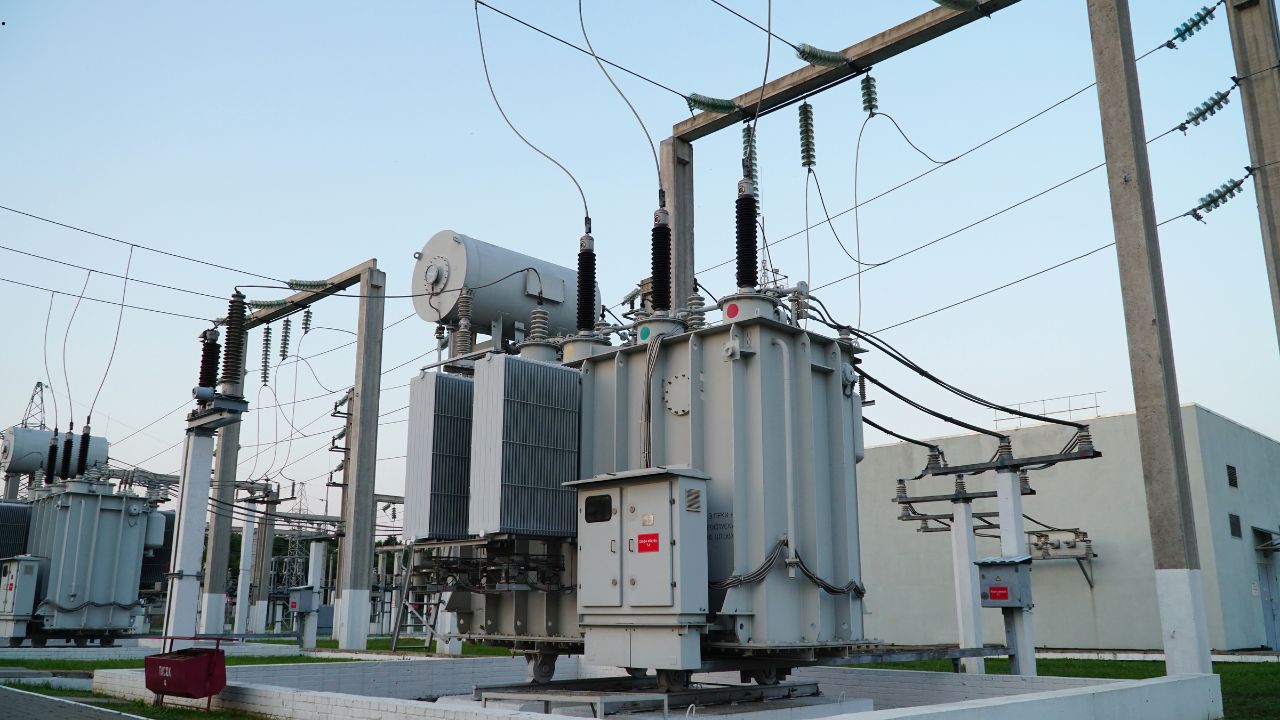
A high voltage transformer is designed to operate with high input or output voltage levels. These transformers are commonly used in power generation, transmission, and large industrial applications where electricity must be transmitted over long distances with minimal energy loss.
A high voltage transformer manufacturer typically designs these units to handle substantial electrical loads while maintaining reliability and operational stability. High voltage transformers are built with advanced insulation systems, robust cooling mechanisms, and specialized construction techniques that enable them to perform safely under demanding conditions.
They are commonly found in substations, power plants, renewable energy projects, and heavy industrial facilities where large amounts of electricity need to be transferred efficiently.
What Is a Low Voltage Transformer?
Low voltage transformers are designed to reduce voltage levels to safer and more usable ranges for equipment, machinery, and end users. These transformers are commonly used in residential, commercial, and light industrial applications.
Their primary purpose is to provide the correct voltage required by electrical devices while ensuring safe operation. Low voltage transformers are often used in lighting systems, control panels, HVAC equipment, security systems, and automation applications.
Compared to high voltage transformers, low voltage units are generally smaller, easier to install, and require less complex insulation systems.
How Do High Voltage and Low Voltage Transformers Differ?
The most significant difference lies in the voltage levels they handle. High voltage transformers are engineered to transmit or distribute electricity at elevated voltage levels, whereas low voltage transformers are designed to supply power at lower and safer voltages.
Another important difference is their construction. High voltage transformers require stronger insulation materials, advanced cooling arrangements, and enhanced safety features because of the electrical stresses involved. Low voltage transformers typically have simpler designs and lower insulation requirements.
Installation and maintenance requirements also vary. High voltage transformers generally require specialized installation procedures, trained personnel, and comprehensive monitoring systems. Low voltage transformers are usually easier to install and maintain, making them suitable for a wide range of commercial and industrial environments.
Cost is another factor. Understanding common industrial electrical issues can also help in selecting the right transformer for stable performance and reduced downtime. Low voltage transformers are generally more economical for applications that do not require high-power transmission.
Where Are High Voltage Transformers Used?
High voltage transformers are essential for large-scale power infrastructure and industrial operations. They are commonly used in electrical transmission networks where electricity must travel long distances efficiently.
They are also widely utilized in power generation facilities, renewable energy projects, mining operations, steel plants, and heavy manufacturing industries. These environments demand reliable equipment capable of handling substantial electrical loads while maintaining operational efficiency.
Many industrial facilities depend on high voltage transformer systems to ensure uninterrupted operations and stable power supply for critical processes.
Where Are Low Voltage Transformers Used?
Low voltage transformers are found in numerous everyday applications. Commercial buildings, residential complexes, hospitals, educational institutions, and manufacturing facilities often rely on low voltage transformers for safe power distribution.
They are commonly used to power lighting systems, automation equipment, control circuits, communication systems, and electronic devices. Because they provide safer voltage levels, they help protect equipment and reduce operational risks.
Their versatility makes them a practical solution for applications where high voltage power is not required.
Why Are Furnace Transformers Different?
A furnace transformer is a specialized transformer designed for furnace operations that involve extreme electrical loads and challenging working conditions. These transformers are widely used in steel manufacturing, foundries, metal processing plants, and smelting operations.
Unlike conventional transformers, a furnace transformer must handle rapid load fluctuations, high current demands, and intense thermal stress. Modern furnace transformer designs include specialized voltage regulation features, heavy-duty winding configurations, and advanced cooling systems to support continuous industrial operations.
Leading manufacturers in India develop furnace transformers specifically for electric arc furnaces and induction furnace applications, ensuring reliable performance even in demanding environments. These transformers are critical for maintaining process efficiency and production consistency in heavy industries.
Which Transformer Should You Choose?
The choice between a high voltage and low voltage transformer depends entirely on the intended application. High voltage transformers are best suited for power transmission, utility networks, and large industrial facilities where significant amounts of electricity must be handled efficiently.
Low voltage transformers are ideal for commercial buildings, residential installations, automation systems, and equipment that require safer voltage levels.
For specialized industrial operations such as steel manufacturing and metal processing, a furnace transformer may be the most appropriate solution due to its ability to withstand extreme electrical and thermal demands.
Conclusion
Both high voltage and low voltage transformers serve essential functions within modern electrical systems. While high voltage transformers enable efficient power transmission and support heavy industrial applications, low voltage transformers provide safe and reliable power for commercial, residential, and equipment-level operations.
Understanding the differences between these transformer types helps businesses and engineers select the right equipment for their specific requirements. Whether the goal is long-distance power transmission, facility power distribution, or specialized industrial processing, choosing the appropriate transformer contributes significantly to safety, efficiency, and long-term operational success.
FAQs
What is the main difference between a high voltage and a low voltage transformer?
The primary difference is the voltage level they handle. High voltage transformers are designed for transmitting and distributing electricity at higher voltages, while low voltage transformers supply power at lower and safer voltage levels for equipment and end users.
Where are high voltage transformers commonly used?
High voltage transformers are commonly used in substations, power plants, renewable energy facilities, transmission networks, and heavy industrial operations.
What industries use furnace transformers?
Furnace transformers are widely used in steel manufacturing, foundries, metal processing facilities, smelting plants, and other industries that operate electric arc or induction furnaces.
Why is insulation important in high voltage transformers?
High voltage transformers operate under significant electrical stress. Proper insulation helps prevent electrical breakdown, improves safety, and enhances the reliability of the transformer.
How do I select the right transformer for my application?
Transformer selection depends on factors such as voltage requirements, load capacity, operating environment, efficiency goals, and application-specific demands. Consulting an experienced high voltage transformer manufacturer can help determine the most suitable solution.