

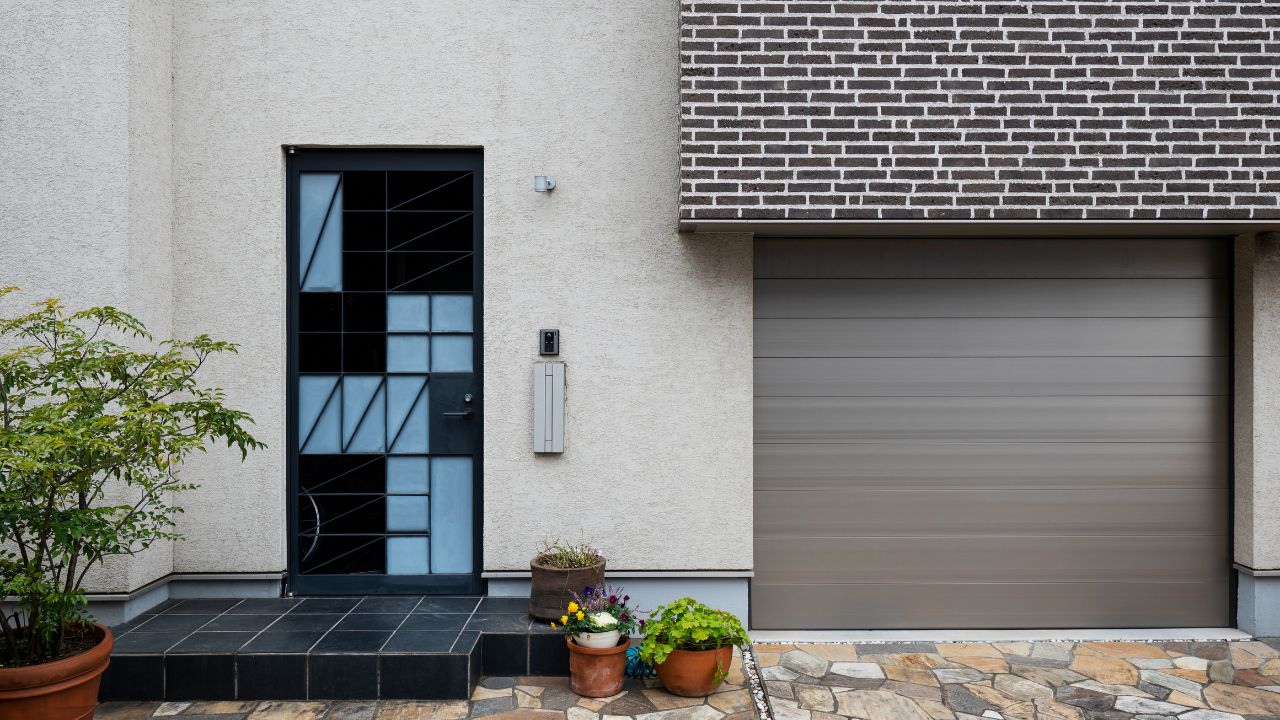
For the average homeowner, the garage door is a study in invisible engineering. It is the largest moving component of the residential structure, an articulating wall of steel, aluminum, or composite material that must operate with millimetric precision thousands of times per year. We treat it as a secondary entrance, though it is often the primary one, expecting it to rise and fall on command. Yet, because this system operates under immense mechanical tension and is exposed to the volatile environmental shifts of an urban landscape, it is a component that demands a sophisticated understanding of metallurgy, physics, and digital security.
In a modern residential setting, the garage door is more than a convenience; it is a critical node in the home’s thermal envelope and security perimeter. Navigating the lifecycle of this system requires moving beyond a reactive mentality and into a proactive strategy of mechanical stewardship.
The Physics of Counterbalance and Kinetic Energy
The most common misconception regarding garage doors involves the role of the electric motor. Most people believe the motor “lifts” the weight of the door. In reality, a standard residential door can weigh anywhere from 150 to 400 pounds. A residential motor is not designed to bear that load; its function is merely to guide the door’s movement and provide the initial impulse. The actual lifting power is provided by the spring system, typically torsion springs mounted on a shaft above the header.
These springs are engineered to store mechanical energy as the door closes. When the door opens, that energy is released to counteract gravity. However, steel has a finite lifecycle, measured in “cycles.” A standard spring is usually rated for 10,000 cycles. In a high-traffic household where the door is used as the main entry for cars, bikes, and pedestrians, this fatigue limit can be reached in as little as six or seven years.
When a spring reaches its elastic limit, it snaps with the force of a small explosion. Once broken, the door becomes “dead weight.” Attempting to force the door open in this state can result in severe physical injury or a burnt-out motor. Because these failures often happen during the coldest hours of the night, when metal is most brittle, finding the Best Garage Door Repair in Near Me is a matter of home security and immediate safety. A balanced door should stay in place when left halfway open; if it slams or shoots upward, the physics of the system are already failing.
Thermal Resilience and the Attached Garage
For homes with attached garages, the door is a critical component of the building’s thermal resistance. Many modern homes feature a kitchen or a bedroom situated directly adjacent to or above the garage floor. If the door is uninsulated or poorly sealed, it acts as a massive thermal bridge. In the winter, the garage becomes a heat sink, drawing warmth out of the shared walls. In the summer, it becomes a solar oven, radiating heat into the living spaces.
Material science has evolved to combat this through polyurethane-injected sandwich construction. Polyurethane offers superior R-values because it bonds directly to the steel skins, creating a structural composite that eliminates air pockets. This insulation does more than lower utility bills; it also acts as an acoustic muffler. For homeowners living near busy urban corridors or airports, an insulated door can reduce external noise by up to 30 decibels, significantly improving the tranquility of the interior environment.
Furthermore, the “astragal”, the rubber seal at the base of the door, is the first line of defense against pest infestations and water damage. In urban environments, where road salt and slush are prevalent, this seal can degrade quickly. When it flattens or cracks, it creates a vacuum effect that pulls conditioned air out of the house, driving up energy costs and potentially allowing moisture to reach the internal steel of the door, leading to corrosion from the inside out.
The Digital Perimeter: Security and Access in 2026
The security of a home is often only as strong as its largest opening. In previous decades, garage door remotes were vulnerable to “code grabbing,” where intruders could intercept a fixed frequency. Modern systems utilize encrypted rolling-code technology, which generates a new digital “key” every time the button is pressed.
As we move through 2026, the garage has become a node in the Internet of Things (IoT). Integrated Wi-Fi allows for real-time monitoring and geofencing. This technology allows the door to recognize the homeowner’s smartphone and open automatically as the vehicle turns onto the street, ensuring they aren’t idling in the driveway in a vulnerable position. It also facilitates secure “in-garage” deliveries, where couriers are granted one-time, limited-height access to drop off packages, shielding them from “porch pirates” and the elements.
However, this digital convenience requires hardware that is perfectly calibrated. If the “limit switches” on the motor are not set correctly, the door may not fully seal against the ground, leaving a gap that invites leverage for intruders. Ensuring that the digital logic and the mechanical hardware are in sync is a hallmark of high-quality service, where technicians must be as comfortable with a logic board as they are with a winding bar.
The Structural Risks of the Off-Track Scenario
An emergency that frequently plagues homeowners is the “off-track” event. This usually occurs when a lift cable jumps the drum or snaps entirely. This can be caused by something as simple as a tool handle leaning against the vertical track or a buildup of grit that causes a roller to seize.
When a door comes off its tracks, it is no longer a functioning machine; it is an unstable object hanging by a few rollers. The structural risk is significant. If the door is left hanging at an angle, the uneven torque can warp the steel tracks or permanently crease the panels. Furthermore, the wooden header that supports the door’s weight is subject to lateral forces it was never designed to handle. A professional intervention is required to stabilize the weight and reset the cables without causing a total collapse of the system.
Recognizing the Pre-Failure Warning Signs
When repeated issues begin to surface, investing in a professional garage door replacement may be more practical than ongoing repairs. In many cases, upgrading the full system improves safety, efficiency, and long-term reliability.
- Acoustic Changes: A grinding or screeching sound is rarely just a lack of lubrication. It usually indicates that the bearings inside the rollers have seized, causing the roller to drag against the track rather than rolling.
- The “Hiccup”: If the door pauses or stutters during its ascent, it’s a sign that the tracks have vibrated out of “plumb” or that the lift cables have uneven tension.
- Slow Response: If the motor sounds like it is straining more than usual, the springs have likely lost their “memory” and are no longer providing the necessary counter-balance.
Respecting the Threshold
Choosing the right service provider is just as important as maintaining the system itself. Paying attention to customer reviews can help homeowners identify trustworthy technicians and avoid unreliable repair work that may lead to repeated failures.
The garage door is a silent workhorse that manages security, energy efficiency, and daily logistics. By respecting the physics of high-tension springs and the requirements of digital access control, homeowners can better navigate the complexities of property maintenance. In an environment defined by seasonal extremes, ensuring your home’s primary gateway is engineered to withstand the elements is the ultimate form of property stewardship. Maintaining that balance is the key to a home that is both beautiful and unshakeably secure.