



“Free guest posting” in 2026 means different things depending on what you actually want: a dofollow backlink, brand visibility, referral traffic, or long-term topical authority. Some platforms let anyone publish instantly (self-publishing). Others require a pitch and editorial review (classic guest posting). A third path is using a marketplace where you exchange value (time, content quality, or credits) instead of paying cash upfront.
This ranking focuses on credible places where publishing or pitching is possible without paying money to place the content. That does not guarantee a dofollow link (many reputable sites use nofollow/sponsored or limit links), but it does give you real distribution and stronger “authority signals” than random link farms.
How these sites were chosen (and how to use the list)
To keep the list practical and safe for 2026, each pick is a real, accessible domain with visible editorial value or a meaningful publishing ecosystem. The goal is not “most links,” but the best mix of: (1) reputation, (2) realistic acceptance/publishing flow, (3) audience fit, and (4) long-term brand and search benefits.
- If you need fast exposure: start with self-publishing platforms (Medium/Substack/WordPress/Blogger, etc.).
- If you need credibility: pitch editorial sites (Smashing, SitePoint, A List Apart, Linux Magazine, etc.).
- If you need placements at scale: use a marketplace model that connects advertisers and publishers without cash-first friction.
One more reality check: “free” rarely means “effort-free.” In 2026, the fastest way to get rejected is thin content, generic listicles, and link-first writing. The fastest way to get accepted is depth, examples, original experience, and clean formatting.
Primary “safe publishing” mindset for 2026
Think like an editor, not a link builder. A strong guest post should align with your overall content marketing strategy, read like it belongs on the host site even if the author bio is removed, and be backed with examples (screenshots, code snippets, numbers, process) while keeping outbound links minimal and relevant. When you do include a link, make it genuinely helpful for the reader.
It’s also worth tracking how platform rules evolve, especially around site reputation and third-party content. One practical starting point is this internal guide on “safe publishing rules” and how to avoid low-quality placements:
Ranking: Top 30+ Free Guest Posting Sites for 2026
1. pressbay.net
pressbay.net is a marketplace-style option: instead of hunting for “write for us” pages one by one, it focuses on connecting advertisers with publishers in a structured way. It’s especially useful when the priority is efficient placement discovery, clear rules, and repeatable workflows—without starting every outreach cycle from zero.
- Best for: scalable outreach, publisher discovery, structured placements
- Reality check: treat it as a matching layer—your results still depend on content quality and fit
2. medium.com
medium.com is one of the fastest “publish today” options. It’s not traditional guest posting, but it works as a free authority channel: you can publish deep guides, get visibility via tags/publications, and build a portfolio editors can evaluate quickly.
- Best for: TOFU/MOFU content, case studies, personal expertise narratives
- Tip for 2026: publish one “flagship” article per topic, then smaller supporting pieces that interlink conceptually (not spammy)
3. linkedin.com
linkedin.com is underrated for B2B guest-post outcomes: LinkedIn articles and posts can function like “mini editorials,” especially if the author has real experience to share. It’s also one of the best places to test headlines and angles before pitching them elsewhere.
- Best for: founders, consultants, B2B SaaS, career and ops content
- Tip: publish a short “insight post,” then expand the best-performing idea into a full guest pitch
4. substack.com
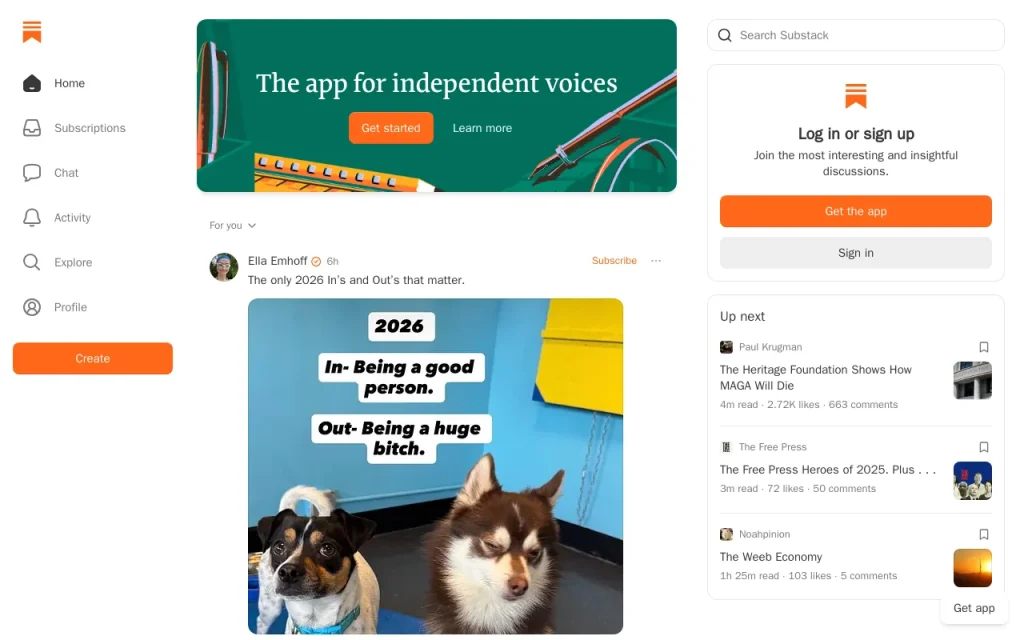
substack.com sits between blogging and publishing. It’s free to start, and it’s ideal when you want recurring attention (newsletter subscribers) rather than one-time clicks. Substack posts can become proof-of-work that strengthens pitches to editorial sites.
- Best for: repeatable insights, opinionated explainers, industry commentary
- Tip: build a “series” (e.g., 5 parts) to show consistency and depth
5. wordpress.com
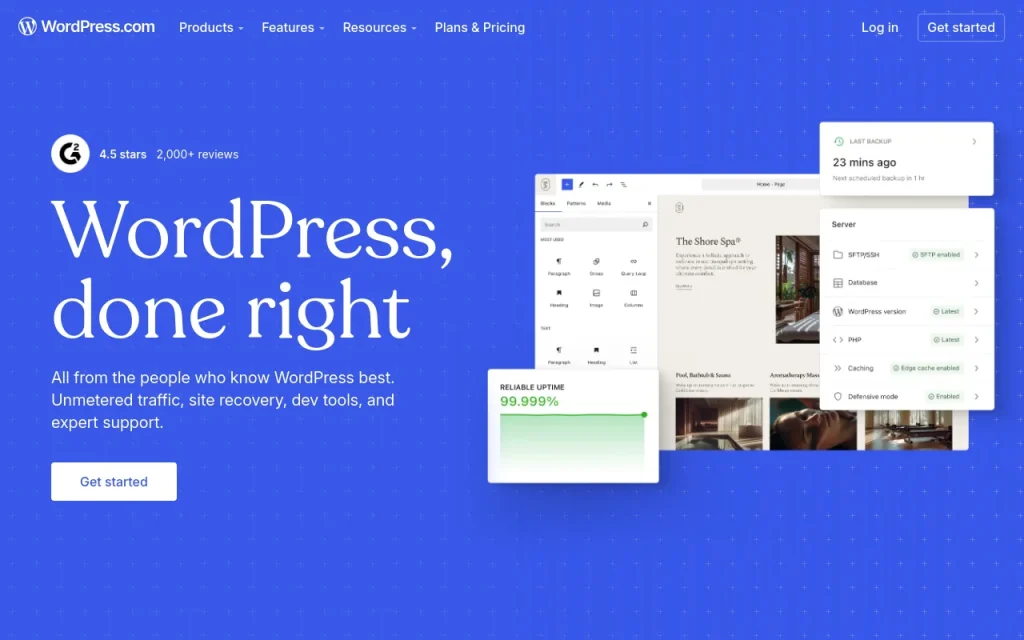
wordpress.com is a stable “home base” option: publish evergreen guides, build topical clusters, and use it as a portfolio hub. It’s not a guest post host in the classic sense, but it’s one of the best free places to build a credible publishing footprint.
- Best for: evergreen guides, technical documentation-style articles, resource pages
- Tip: add author credibility signals (bio, experience, updates, changelogs)
6. blogger.com
blogger.com is still a simple way to publish quickly and maintain a lightweight archive of content. It’s not trendy, but it’s functional—especially when you need fast indexing, quick experiments, and a no-friction editor.
- Best for: experiments, MVP content libraries, early-stage topical coverage
- Tip: keep design clean and focus on writing quality (thin templates hurt trust)
7. dev.to
dev.to is a community publishing platform where high-effort technical posts can gain strong engagement. It’s particularly good for tutorials, engineering lessons, and tooling deep-dives—content that editors on other sites love to see as proof of expertise.
- Best for: coding tutorials, developer workflows, tooling comparisons
- Tip: include code, visuals, and trade-offs; avoid “SEO fluff” intros
8. hashnode.com
hashnode.com focuses on developer blogging with a modern editor and a community layer. It’s a strong “publish + portfolio” hybrid and can work as a bridge between self-publishing and pitching editorial publications.
- Best for: engineering content, frameworks, practical guides
- Tip: turn posts into “mini chapters” and keep a consistent style per series
9. hackernoon.com
hackernoon.com is closer to a tech publication than a simple blog platform. It’s a credible place to publish original technology stories and commentary, and it’s often used by startup operators and engineers who want broad tech audience exposure.
- Best for: startups, engineering insights, product-building stories
- Tip: emphasize original experience: “what was tried, what failed, what worked”
10. dzone.com
dzone.com is a long-running developer and enterprise tech community. It’s especially useful for practical engineering content aimed at working developers and teams.
- Best for: architecture notes, how-tos, dev practices
- Tip: focus on depth and clarity; assume readers are practitioners
11. opensource.com
opensource.com is a strong editorial destination for open-source and community-driven technology topics. It rewards useful, educational writing and real community experience.
- Best for: open-source workflows, community stories, practical tutorials
- Tip: write “from the trenches” and include concrete steps or examples
12. www.freecodecamp.org
www.freecodecamp.org (freeCodeCamp News) is a credible place for developer-focused educational writing. It’s excellent for building visible expertise through tutorials and explainers.
- Best for: beginner-to-intermediate programming guides that are genuinely helpful
- Tip: provide outcomes (what the reader can build) and a clean learning path
13. www.digitalocean.com
www.digitalocean.com is widely known in the developer ecosystem. Its community/tutorial ecosystem can be a meaningful credibility booster if you can contribute a high-quality technical guide.
- Best for: infrastructure tutorials, Linux/server guides, DevOps workflows
- Tip: document exact steps, edge cases, and verification steps
14. www.smashingmagazine.com
www.smashingmagazine.com is one of the strongest “editorial guest post” targets in web design/dev. The bar is higher, but the payoff is real brand trust and long-term visibility in the web industry.
- Best for: web performance, UX/UI, front-end engineering, design systems
- Tip: pitch an outline that promises real value (not product marketing)
15. www.sitepoint.com
www.sitepoint.com actively invites contributor pitches and covers a wide range of web and programming topics. It’s a practical target if you can write clear, useful technical content.
- Best for: tutorials, web development, modern stacks
- Tip: propose a specific angle + deliverable (what the reader will build/learn)
16. alistapart.com
alistapart.com is a respected publication in web design and development culture. It’s selective, so treat it like pitching a magazine: strong thesis, evidence, and insight matter more than volume.
- Best for: thoughtful essays, research-backed takes, durable principles
- Tip: avoid trend-chasing; focus on timeless lessons and craft
17. www.instructables.com
www.instructables.com is a practical publishing site for step-by-step projects. It’s not “SEO guest posting” in a classic sense, but it’s excellent for tutorials, visual guides, and hands-on content.
- Best for: DIY projects, how-tos, maker tutorials
- Tip: show the process with clear photos and verification steps
18. www.hackster.io
www.hackster.io is a strong community for hardware and IoT projects. If your niche touches devices, maker workflows, or prototyping, publishing here can be a credible signal of real experience.
- Best for: IoT, electronics, Arduino/Raspberry Pi ecosystems, prototypes
- Tip: include BOM (bill of materials), wiring, and debugging notes
19. www.hongkiat.com
www.hongkiat.com covers design, tech, and productivity topics and has a visible “write for us” pathway. It’s a good fit for practical, high-clarity tutorials and lists that still carry real insight.
- Best for: web, design, productivity, tools, explainers
- Tip: avoid generic roundups; add unique angles, comparisons, and examples
20. www.geeksforgeeks.org
www.geeksforgeeks.org is a widely known learning destination in programming. Contributing (where available) can add serious credibility in technical niches, especially when tutorials are genuinely educational.
- Best for: algorithms, CS fundamentals, coding tutorials
- Tip: keep explanations precise and include runnable examples
21. www.kdnuggets.com
www.kdnuggets.com is a recognized data science and machine learning destination. It’s best approached with practical, well-scoped topics rather than broad “AI is the future” content.
- Best for: ML workflows, data tooling, applied case studies
- Tip: include data, pitfalls, and reproducibility guidance
22. www.datasciencecentral.com
www.datasciencecentral.com is a community-style data science hub. It’s useful for sharing applied insights, summaries of real projects, and targeted tutorials for practitioners.
- Best for: applied analytics, ML ops notes, practitioner explainers
- Tip: make it skimmable: clear sections, visuals, and concrete takeaways
23. creators.newsbreak.com
creators.newsbreak.com is a creator publishing entry point where writers can distribute articles to a broader consumer audience. Use it for accessible explainers and stories that can reach beyond a niche community.
- Best for: general-interest explainers, lifestyle/tech crossover topics
- Tip: keep intros tight; lead with the payoff and practical value
24. mirror.xyz
mirror.xyz is a modern publishing platform often used in web3 and creator ecosystems. It works well for essays, narratives, and long-form explainers, especially when you want a clean publishing experience.
- Best for: essays, creator-driven publishing, narrative explainers
- Tip: focus on originality; generic repackaging performs poorly
25. telegra.ph
telegra.ph is an ultra-light, fast way to publish simple articles without building a site. It’s best used for supporting content: one-off explainers, quick guides, and shareable notes.
- Best for: quick publishing, minimal formatting, fast sharing
- Tip: treat it like a “clean memo,” not a full blog strategy
26. write.as
write.as is a minimalist writing/publishing platform. It’s useful if you want distraction-free publishing and a simple “author presence” without heavy site management.
- Best for: essays, simple evergreen posts, portfolio-style writing
- Tip: publish consistently in one niche to build topical identity
27. www.weebly.com
www.weebly.com is a website builder with free options that can support a lightweight blog. It’s not a guest post site, but it can serve as a publishing hub that strengthens credibility for pitching editors elsewhere.
- Best for: simple portfolio sites + blog, starter content hubs
- Tip: keep UX clean and prioritize original, useful writing
28. www.linux.com
www.linux.com has a formal contribution path and is backed by the broader Linux ecosystem. If your expertise is Linux, infrastructure, or open source engineering, this is a high-quality pitching target.
- Best for: Linux tutorials, open-source community education, systems topics
- Tip: pitch a clear format: tutorial, Q&A, or a practical guide
29. www.linuxjournal.com
www.linuxjournal.com provides an author pathway for proposals. It’s best for structured, useful Linux and open-source articles that help readers achieve a concrete outcome.
- Best for: Linux projects, sysadmin workflows, tool reviews and how-tos
- Tip: propose a focused topic and show why it matters now
30. www.linux-magazine.com
www.linux-magazine.com openly invites submissions and outlines what it wants. It’s a strong target for serious Linux and open-source writing—especially tutorials, reviews, and case studies.
- Best for: Linux/admin, open-source tooling, case studies
- Tip: keep it practical and avoid slang-heavy writing
31. www.opensourceforu.com
www.opensourceforu.com (Open Source For You) provides clear “write for us” guidance and topic areas. It’s a good fit for deep technical writing that helps readers actually do something.
- Best for: open-source how-tos, developer tips, tool reviews
- Tip: pitch first; then deliver a structured, example-rich article
32. contribute.towardsai.net
contribute.towardsai.net is a submission gateway for Towards AI. It’s a credible target for applied AI writing—especially hands-on tutorials, engineering lessons, and “what I learned building X” narratives.
- Best for: applied AI, ML engineering, LLM workflows, practitioner lessons
- Tip: focus on concrete outcomes, evaluation, and trade-offs
A practical 2026 workflow (so you don’t waste weeks)
- Step 1: Publish 1–2 flagship pieces on a self-publishing platform (Medium/Substack/WordPress.com).
- Step 2: Turn the best piece into 2–3 tailored pitches by pitching the right place for guest posting to editorial sites (Smashing/SitePoint/A List Apart/Linux sites).
- Step 3: Use a marketplace (like pressbay.net) when you need scalable discovery and repeatable placements.
- Step 4: Track outcomes: referral traffic, conversions, mentions, and long-term rankings—not just “a link exists.”
Pitch template you can reuse (short, editor-friendly)
Subject: Article pitch for [site domain]: [specific outcome-driven title] Hi [Name/Team], I’d like to pitch an article for [site domain] about [one-sentence thesis]. Readers will learn: (1) [takeaway], (2) [takeaway], (3) [takeaway]. Why it’s credible: [your experience / project / results in 1–2 lines]. Proposed outline: - [section] - [section] - [section] If this is a fit, I can deliver a draft in [timeframe] and follow your style guidelines. Thanks! [Your Name]
Keep it short. Most editors care about (a) fit, (b) specificity, and (c) evidence that you can write a perfect blog post that meets their standards.

Common mistakes that ruin “free guest posting” in 2026
- Link-first writing: Editors can spot it instantly, and it often triggers stricter link rules.
- Generic topics: “Top tools” without real testing, or “ultimate guides” without original examples.
- Wrong site fit: Pitching an advanced article to a beginner audience (or vice versa).
- No proof of expertise: A portfolio page with 2 thin posts won’t convince serious publications.
Final thoughts
The best “free guest posting sites” are rarely the ones that promise easy backlinks. They’re the ones with real audiences and editorial standards. Use self-publishing to build momentum and proof, pitch high-authority publications for credibility, and use structured marketplaces when you need scale and clarity.